COST GUIDES
How much do LED lights cost to run?
Updated 07/26
Fast Facts
3W LED bulb: Costs only a fraction of a penny per hour to run
Running costs: Depend on your bulb wattage, usage and electricity tariff
Energy efficiency: LED bulbs use up to 90% less energy than traditional incandescent bulbs
If you're thinking about switching to LED lighting, one of the first questions you'll probably ask is how much it costs to run.
The good news is that LED bulbs are among the cheapest types of lighting to operate.
Exactly what you'll pay depends on the wattage of the bulb, how long you use it each day and your electricity tariff, but the running costs are surprisingly low.
This guide explains how LED running costs are calculated, compares LEDs with traditional bulbs and shows how much you could expect to spend over time.
How much do LED lights cost to run?
The table below uses example calculations to show the running costs of a typical 3W LED bulb.
Because electricity prices change over time, your actual costs will depend on your tariff and the current Ofgem price cap, which is reviewed every three months in the UK.
| Cost provided item | Average cost |
|---|---|
| Cost of running 3W LED bulb per hour | 0.075p |
| Cost of running 3W LED bulb per year | £2.74 |
| Cost of running LED Christmas tree lights per day | 1.2p |
| Cost of running 40W incandescent bulb per year | £36.14 |
| Last updated: July 2026 Our costs are ballpark averages - get a local tradesperson to quote now | |
Even allowing for changes in electricity prices, LED lighting remains one of the cheapest ways to light your home.
How to calculate LED running costs
If you'd like to work out the running cost of your own LED bulbs, use this simple formula:
Bulb wattage ÷ 1,000 × hours used × your electricity unit rate
For example, using the current average UK electricity unit rate of 26.11p per kWh (July 2026):
3W ÷ 1,000 × 26.11p = around 0.08p per hour
If your tariff is lower or higher than the average, simply substitute your own electricity rate into the calculation.
Get a quote for LED lighting installation
Whether you're replacing older lighting or planning a complete lighting upgrade, comparing a selection of quotes from checked local electricians is the easiest way to understand your project costs.
Find qualified electricians working in your area
What are LED lights and why are they so cost-effective?
LED stands for Light Emitting Diode.
Unlike traditional incandescent bulbs, LEDs produce very little wasted heat, which means they use far less electricity to produce the same amount of light. They also last much longer, with many LED bulbs rated for up to 50,000 hours.
For a broader overview of LED technology and installation options, see our LED lighting hub.
Benefits of LED lighting
Lower running costs
Long lifespan
Low heat output
Instant brightness
Durable
Available in a wide range of colour temperatures and styles
Since incandescent bulbs have now been phased out in the UK, switching to LEDs is one of the simplest ways to reduce household electricity use without changing how you use your home.

LED vs traditional bulbs: running cost comparison
LED bulbs use much less electricity than older incandescent or halogen bulbs while producing a similar level of brightness. LED bulbs also last significantly longer, reducing replacement costs over time.
As a guide:
A typical 3W LED costs around £2.74 a year to run
A comparable 40W incandescent bulb costs around £36.14 a year
If you're replacing older halogen downlights, the savings can be particularly noticeable. A halogen equivalent of 50W uses far more energy than a 7W LED replacement. Our guide to installing LED downlights explains what's involved if you're planning to upgrade.
How much do LED strip lights cost to run?
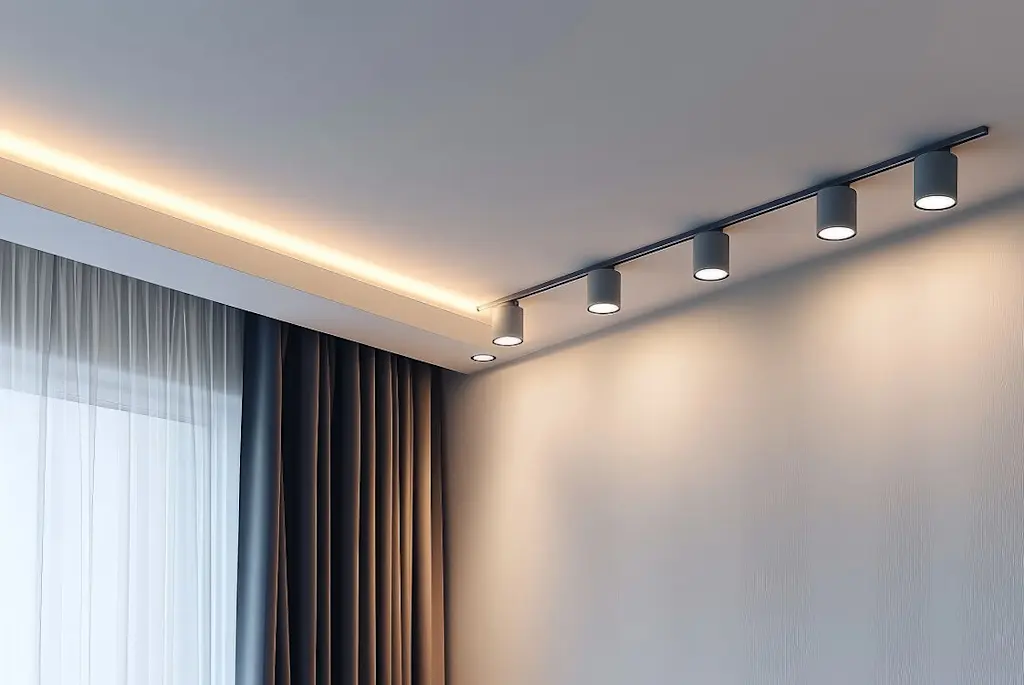
LED strip lights are surprisingly inexpensive to use.
Using average UK electricity prices, a 10W LED strip costs only a fraction of a penny per hour to run
Even a 5-metre strip used for a couple of hours each evening typically costs less than £1 per month to operate
Smart colour-changing LED strips use a similar amount of electricity to standard LED strips of the same wattage, so choosing colour-changing features doesn't significantly increase running costs.
If you're considering smart lighting throughout your home, our smart lighting cost guide explains the wider installation costs.
What affects LED running costs?
Even though LEDs are inexpensive to run, a few things will influence what you actually pay.
The main factors are:
Bulb wattage
Number of bulbs in your home
Hours of use each day
Your electricity tariff
Whether you're on a fixed or variable energy tariff
Electricity prices change throughout the year, so running costs will naturally rise and fall alongside your unit rate.
If you'd like to calculate your own costs, simply use the formula above with your current electricity tariff.
Is it cheaper to leave LED lights on or turn them off?
It's always cheaper to switch LED lights off when you leave the room.
Unlike older fluorescent lighting, turning LED bulbs on and off doesn't significantly shorten their lifespan. They reach full brightness instantly, so there's no energy penalty for switching them off when they're not needed.
With many LED bulbs lasting up to 50,000 hours, there's little reason to leave them running unnecessarily.

Calculating the cost of running LED Christmas lights
One of the biggest advantages of LED Christmas lights is how little they cost to run.
Even a large outdoor display will usually add only a few pounds to your electricity bill over the festive period, although the exact cost depends on:
The wattage of the lights
How many sets you're using
How many hours they're switched on each day
Your electricity tariff
For most homes, a typical LED Christmas tree costs only around 37p to run throughout December, assuming it's switched on for around eight hours a day.
Larger outdoor displays naturally use more electricity, but they're still far cheaper to operate than older incandescent Christmas lights.
If you're planning an outdoor display, our guide to Christmas light installation costs explains what professional installation typically involves.

LED lighting cost calculator
The quickest way to estimate your lighting costs is to think about two separate elements: the cost of installing or upgrading your lighting and the cost of running your LED lighting.
Job Estimate Calculator

This calculator provides a guide price only. For an accurate quote, compare a selection of quotes from qualified electricians working in your area.
Find qualified electricians working in your area
LED lights running cost checklist

Before upgrading your lighting:

Find a checked electrician near you
Finding a checked electrician through Checkatrade is straightforward.
When requesting quotes, it helps to include:
How many light fittings or bulbs you're replacing
Whether you're upgrading existing lighting or installing new fittings
Whether you'd like smart lighting or dimmer switches
Any concerns about your existing wiring
Whether the work includes bathrooms, kitchens or outdoor lighting
Comparing a selection of quotes from checked electricians working in your area is the easiest way to understand what's included and choose the right installer for your project.
Browse qualified electricians working in your local area
Enter your postcode to find a top tradesperson near you
London Live Electrical
10.00
(18 reviews)Services & skills
ElectricianElectrical ContractorsLighting DesignElectrical Installation Condition Report - Safety Checks - EICRImmersion Heater InstallationDB Electrical Services
10.00
(71 reviews)Services & skills
ElectricianElectric CookersElectrical Under Floor Heating InstallationEnergy Efficient LightingElectric SocketsAC Electrical (Surrey) Ltd
10.00
(66 reviews)Services & skills
ElectricianElectrical ContractorsHouse RewiringImmersion Heater RepairFuseboard / Consumer Unit InstallationD.E.C Electrical
10.00
(85 reviews)Services & skills
ElectricianElectrical ContractorsElectrical Heater RepairEnergy Efficient LightingEmergency Electrician ServiceSparky City Ltd
10.00
(13 reviews)Services & skills
ElectricianElectric CookersElectrical Installation Condition Report - Safety Checks - EICRSmoke AlarmsHouse RewiringDS Lavender Limited
10.00
(149 reviews)Suggested Services
Electrical Fault Finding£96 / hr


LED light running cost FAQs
A 5W LED bulb uses 0.005 kilowatt-hours (kWh) of electricity per hour.
Multiply the bulb's wattage by the number of hours you use it and your electricity unit rate. The formula earlier in this guide shows how to calculate this using your own tariff. For example, a 3W bulb used for 10 hours a day at 24.50p/kWh costs around £2.69 per year.
Yes. LED lights use significantly less energy than energy-saving bulbs (also known as CFLs) and have a much longer lifespan.
No. A 1-metre LED strip at 10W typically costs around 0.25p per hour to run, which works out to under 20p a month for a couple of hours' use each evening. Longer strips or higher-wattage types cost proportionally more, but they remain much cheaper to run than traditional lighting.
No. LED lights are one of the cheapest types of lighting to run. A standard 3W LED bulb costs less than 0.1p per hour, so even leaving several lights on for the whole evening adds only a few pence to your bill. Switching from incandescent to LED bulbs almost always reduces your electricity costs.
It's always cheaper to turn them off. The idea that switching LEDs on and off wears them out faster is a myth carried over from older fluorescent lights. LEDs have no warm-up delay and their lifespan isn't affected by switching, so turn them off whenever you leave the room.
Yes. Smart LED bulbs are available in a wide choice of colours and styles. Many let you control multiple lights remotely via an app, a smart home assistant, or voice commands.
Yes, LED lights can be recycled. You can usually recycle them at your local recycling centre, or you may find recycling containers at large retail and DIY stores.
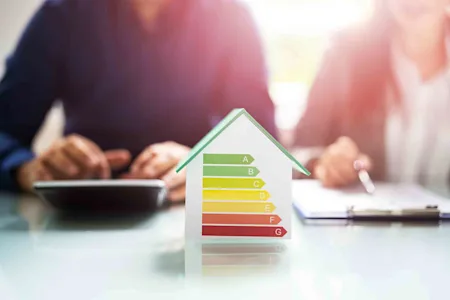
Check the energy label when buying. The higher the rating, the more energy efficient the LED bulb and the more you'll save on running costs.
Look at the lumens rather than the wattage. Lumens measure brightness: the higher the lumens, the brighter the light. Wattage tells you how much energy the bulb uses, not how bright it is.
Yes, you can buy dimmable LED bulbs. Make sure you have a compatible dimmer switch, as not all existing dimmer circuits work with LEDs.
Running a 3W LED bulb for 24 hours costs around 1.8p at average UK electricity rates. A 10W bulb would cost roughly 5.9p for 24 hours. Even leaving a light on overnight adds very little to your bill compared with other household appliances.


See the tradespeople we've checked for your job