COST GUIDES
Garage conversion cost in the UK in 2026
Updated 05/26
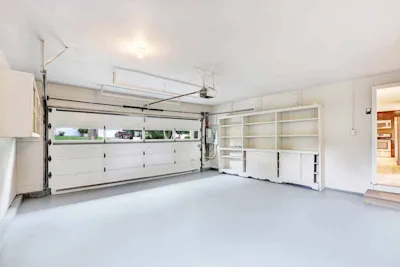
This guide explains typical garage conversion costs in the UK, what affects the price, how different garage types compare, and what to check before you ask contractors for quotes.
Average cost:
A garage conversion typically costs between £10,000–£20,000 for a 16m² integrated or attached garage
Cost per m²:
Garage conversion costs usually work out at around £625–£1,250 per m²
Cheaper than an extension:
Converting a garage usually costs less than building a house extension, which normally averages around £1,800–£3,000 per m²
Typical timescale:
Most garage conversions take around 2–4 weeks, depending on the condition of the garage and the work involved
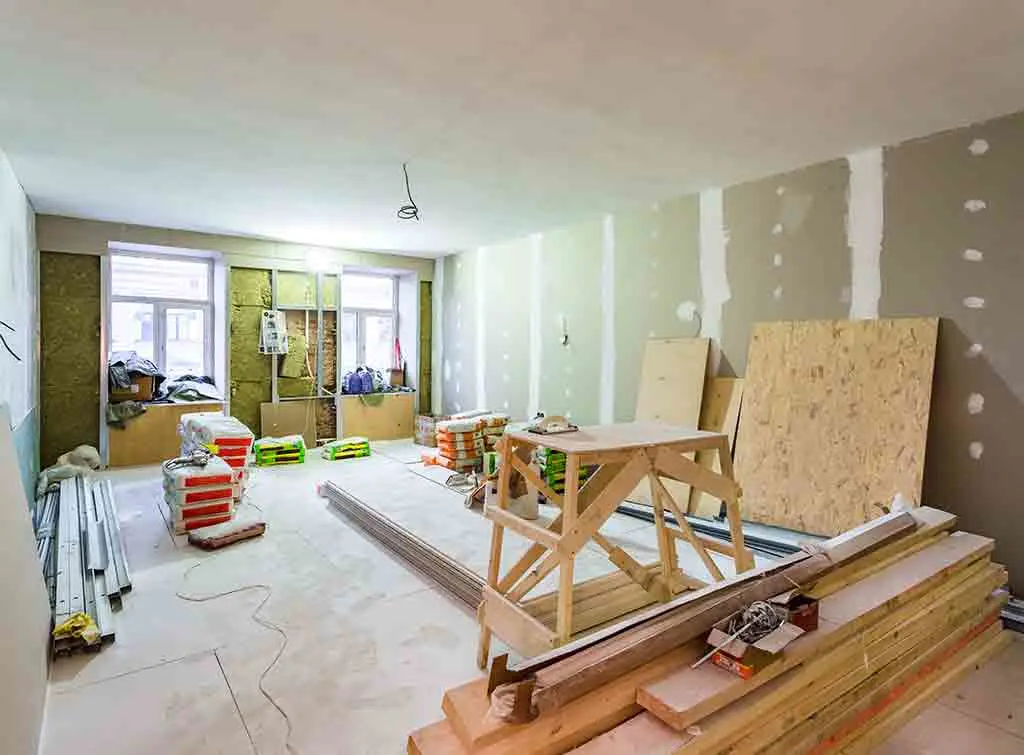
If your garage has slowly become a holding pen for bikes, tools, boxes and things nobody quite knows what to do with, converting it can be a clever way to gain useful space without building out into the garden.
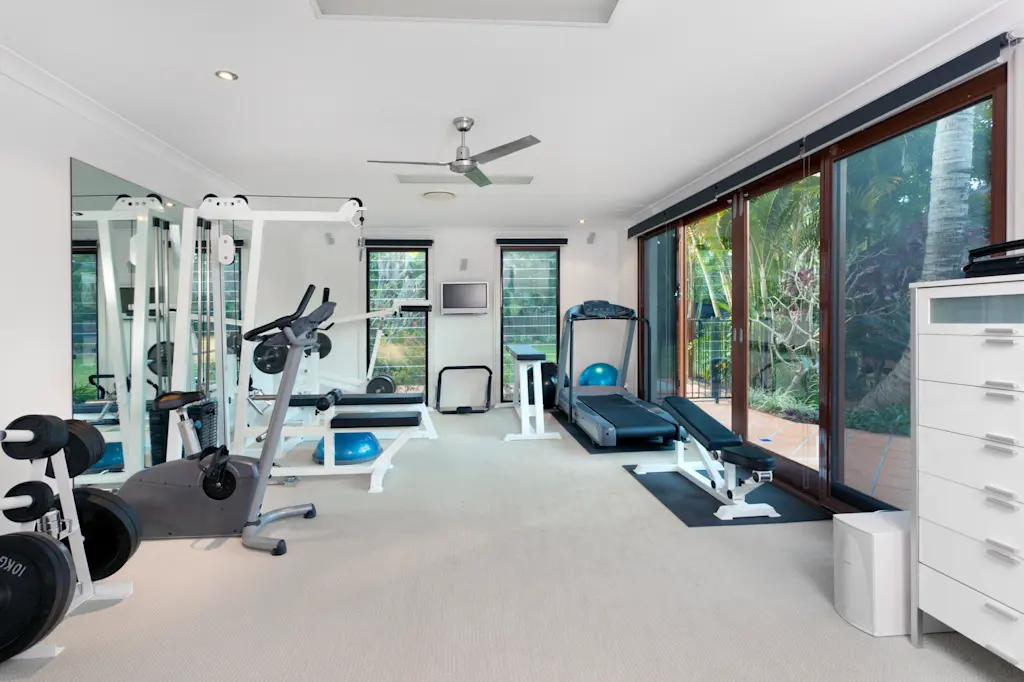
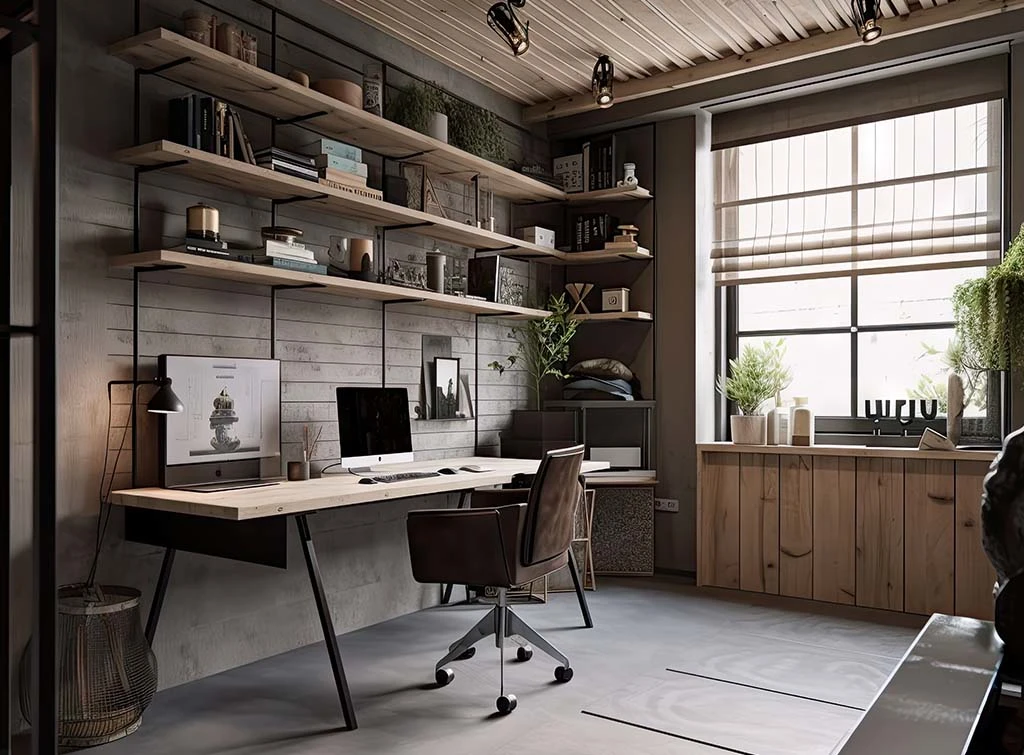
For some people, it becomes a home office. For others, it’s a playroom, utility room, downstairs bedroom, gym, teenage hangout or extra living space.
The main appeal is that you’re working with a structure you already have. That doesn’t mean the work is simple — insulation, floors, walls, heating, electrics and building regulations all matter — but it can be a more cost-effective route than building a full extension.
How much does a garage conversion cost?
As a guide, the average garage conversion cost in the UK is £10,000–£20,000 for a 16m² integrated or attached garage.
Detached garage conversions usually cost more because services such as electrics, water and heating are harder to connect from the main house.
| Garage type | Cost + VAT (Range low - high) | Average cost |
|---|---|---|
| Garage conversion cost | £10,000–£20,000 | £15,000 |
| Integral garage conversion cost | £10,000–£14,000 | £12,000 |
| Attached garage conversion cost | £10,000–£20,000 | £15,000 |
| Detached garage conversion cost | £15,000–£25,000 | £20,000 |
| Double garage conversion cost (Based on 36m²) | £20,500 (integral) – £45,000 (detached) | £32,750 |
| Carport to garage conversion cost | £10,500–£22,000 | £16,250 |
| Partial garage conversion cost | £5,500–£8,500 | £7,000 |
| DIY garage conversion cost | £4,500–£10,000 | £7,250 |
| Last updated: May 2026 Our costs are ballpark averages - get a local tradesperson to quote now | ||
Unless stated otherwise, these prices are based on a 16m² garage conversion, including basic fit-out costs.
These costs assume:
Insulation and screed can go above the existing slab
Existing services are suitable for the proposed work
The garage is in reasonable structural condition
Costs include:
Battening and insulating existing external walls
Basic fit-out costs
Costs do not include:
Cutting out new doorways in external walls
Additional kitchen fixtures
Additional bathroom fixtures
Get a quote for your garage conversion
For an accurate garage conversion price, it’s best to speak to a few checked local garage conversion specialists.
A written quote should explain what’s included in the conversion, whether the garage needs structural upgrades, what finish is being allowed for, and whether electrics, plumbing, heating or building regulations work are included.
Enter your postcode to compare garage conversion companies covering your area.
Find checked garage conversion specialists near you
Garage conversion costs at a glance
Average garage conversion cost: £10,000–£20,000
Integral garage conversion: £10,000–£14,000
Attached garage conversion: £10,000–£20,000
Detached garage conversion: £15,000–£25,000
Double garage conversion: £20,500 (integral) – £45,000 (detached)
Partial garage conversion: £5,500–£8,500
Garage conversion cost per m²: £625–£1,250
Typical timescale: 2–4 weeks
Garage conversion cost per m²
Based on the average garage conversion cost of £10,000–£20,000, you can expect to spend around £625–£1,250 per m² converting your garage into a usable room.
That’s usually cheaper than building a house extension, which normally costs around £1,800–£3,000 per m².
This is one of the main reasons garage conversions are popular. You’re not creating a brand new structure from scratch — you’re improving and upgrading space that already exists.
Data verified by our professional estimators
Estimators are CIOB & RICS members
Garage conversion costs by type
Several factors can affect the cost of converting a garage into a room. These include:
The type of garage you have (e.g., attached, detached, or integral)
Its size (e.g., single or double)
Its intended use (e.g., bedroom, gym)
To help you understand how much your garage conversion could cost, we've provided ballpark estimates for some of the most common types of projects.
Integral garage conversion cost
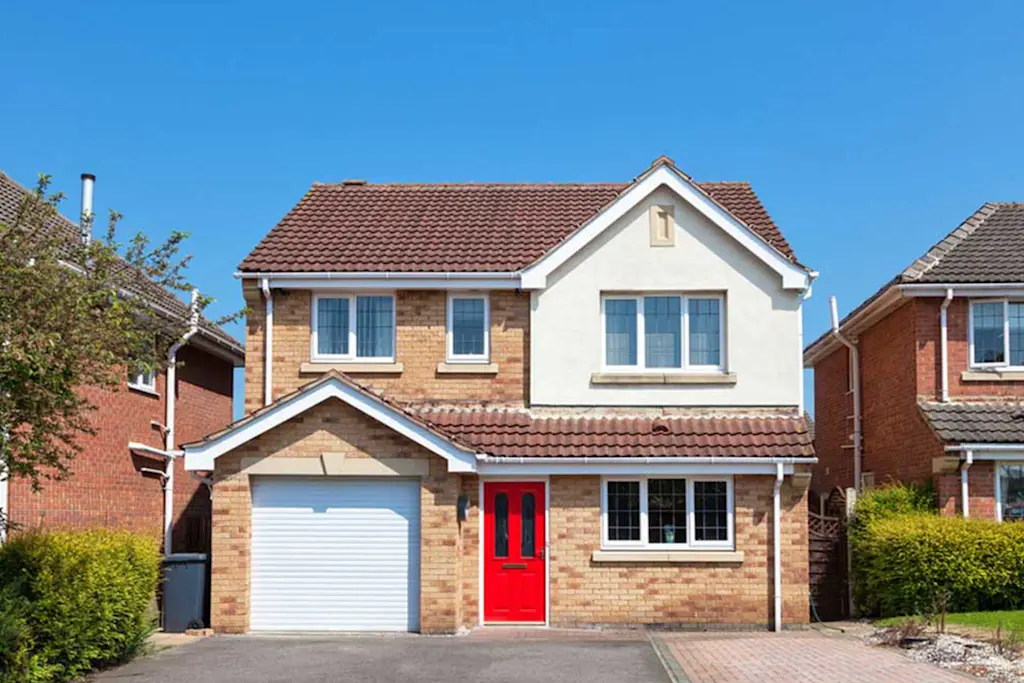
Integral garages are built into the footprint of the house, which usually makes them the simplest and cheapest type to convert.
Typical cost: £10,000–£14,000.
Because the garage is already part of the house, it may be easier to connect heating, electrics and access from the main living space.
When done well, an integral garage conversion can feel like it was always meant to be part of your home.
Integral garages slot into the house, rather than appearing at the side or rear of a property. That means they're already taking up valuable living space that you can now reclaim.
Attached garage conversion cost
Attached garages sit to the side or rear of the house and are one of the most common types of garage in the UK.
Typical cost: £10,000–£20,000.
This figure does not include the cost of removing a load bearing wall, should you wish to create an open plan space.
Attached garages can work well for home offices, playrooms, utility rooms or extra living space. If you want to open the room up into the main house, costs may rise because structural work could be needed.
As attached garages are joined onto the main part of your home, they usually have some basic electrics already. Plus, any new pipework can be run from the main house.
Detached garage conversion cost
Detached garages are usually more expensive to convert because they’re separate from the main house. However, they're generally still cheaper than building most single-storey extensions.
Typical cost: £15,000–£25,000.
Costs are higher because it can be more involved connecting electrics, heating, plumbing and water. You may also need more work to improve insulation, security and access.
Detached garage conversions can be a good option for:
Home offices
Studios
Gyms
Hobby rooms
Spaces that benefit from being separate from the house
Double garage conversion cost
Double garage conversions cost more overall because there’s more space to convert.
Typical cost: £20,500–£45,000, based on a 36m² space.
A double garage gives you more flexibility. You might convert the whole space into a large room, or split it so you keep some storage while gaining a usable living area.
Partial garage conversion cost
A partial garage conversion can be a useful compromise if you don’t want to lose your garage completely.
Typical cost: £5,500–£8,500.
For example, you might keep the front section for bikes, tools and storage, then convert the rear into a utility room, office or small downstairs WC.
It can help keep costs lower because you’re only converting part of the space.
Carport to garage conversion cost
If you already have a carport, converting it into an enclosed garage can give you better storage and more security.
Typical cost: £10,500–£22,000.
This won’t create a fully habitable room in the same way as a garage conversion, but it can be useful if you need protected parking or enclosed storage.
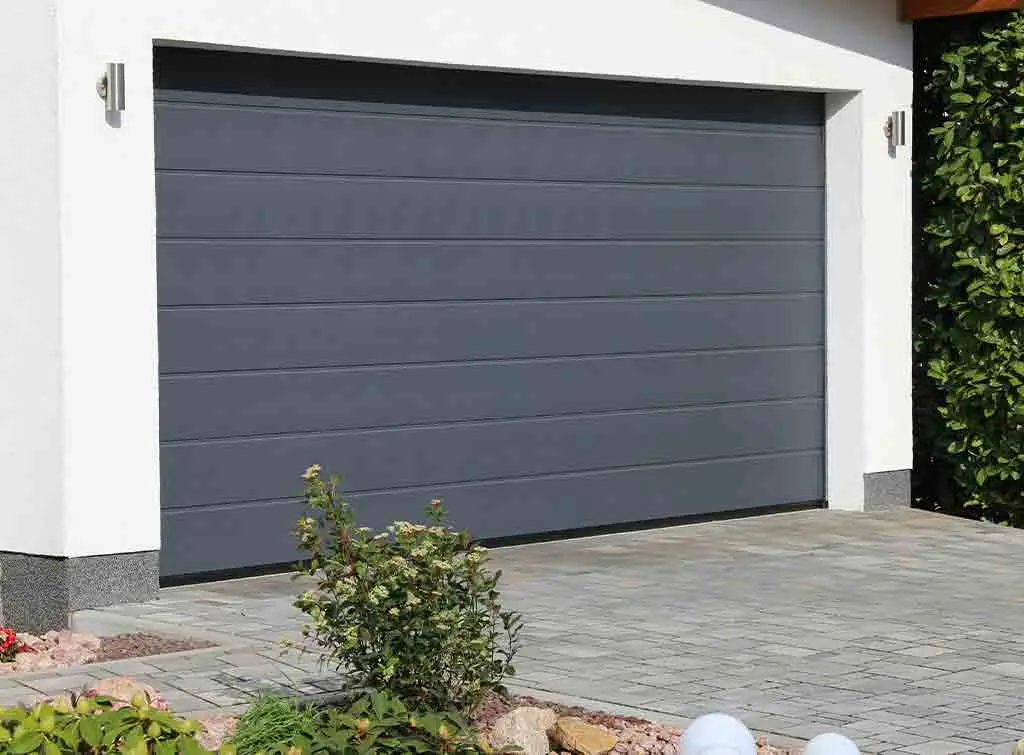
Garage conversion ideas and cost impact
The way you plan to use your garage has a big impact on the final cost you're quoted. For example, a simple home office or playroom usually costs less than a kitchen, bathroom or bedroom with an ensuite.
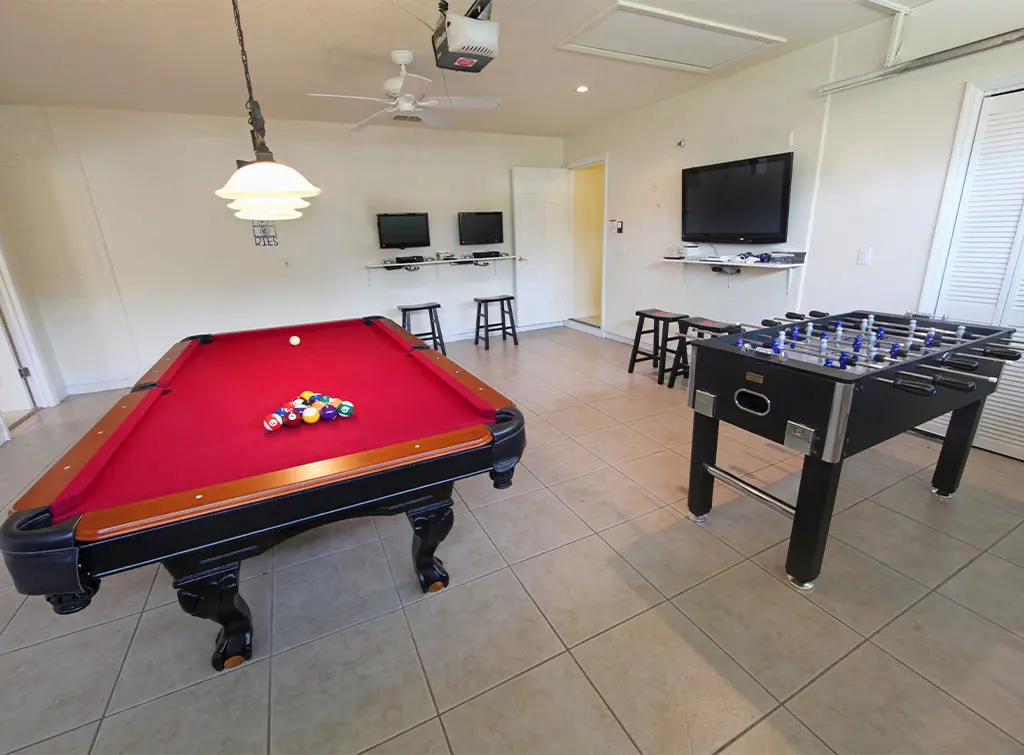
Small garage conversion ideas
A single garage can still work hard and provide plenty of benefits. Popular small garage conversion ideas include:
Home office
Utility room
Playroom
Snug
Hobby room
Small gym
Downstairs bedroom
These are often more affordable than rooms that need plumbing, drainage or heavy structural work.
Garage-to-bedroom conversion cost
Converting a garage into a bedroom usually costs between £10,000–£20,000, with extra costs if you want to add an ensuite or downstairs bathroom.
This can be useful if you need a downstairs bedroom for changing family needs, visiting relatives, or future accessibility.
Garage conversion with bathroom or kitchen
Bathrooms and kitchens push costs up because they usually need plumbing, drainage, ventilation, electrics and fixtures.
A bathroom could add £5,500–£9,000 to your project costs
Adding a kitchen could increase your total cost by between £15,000–£35,000
If you’re still deciding how to use the space, keep this cost difference in mind. A home office or living area is usually much simpler than a kitchen or bathroom conversion.
Structural changes and building costs
Some of the biggest garage conversion costs come from making the space feel like a proper room rather than 'the room that used to be the garage'.
| Structural Changes and Building Costs | Range low | Range high | ||
|---|---|---|---|---|
| Removal of garage doors and replace | £1,300 | £1,500 | ||
| Door and window addition | £1,200 | £1,500 | ||
| Flooring (slab) | £1,000 | £1,250 | ||
| Stud wall addition | £750 | £950 | ||
| Addition of utilities : electric socket | £90 | £100 | ||
| Addition of utilities : pipes | £1,000 | £3,000 | ||
| Standard garage conversion total | £5,000 | £7,800 | ||
| Last updated: May 2026 Our costs are ballpark averages - get a local tradesperson to quote now | ||||
A typical garage conversion may involve:
Removing or replacing the garage door
Building up the front wall
Adding windows
Insulating walls and floors
Upgrading electrics
Plastering and decorating
Improving access from the house
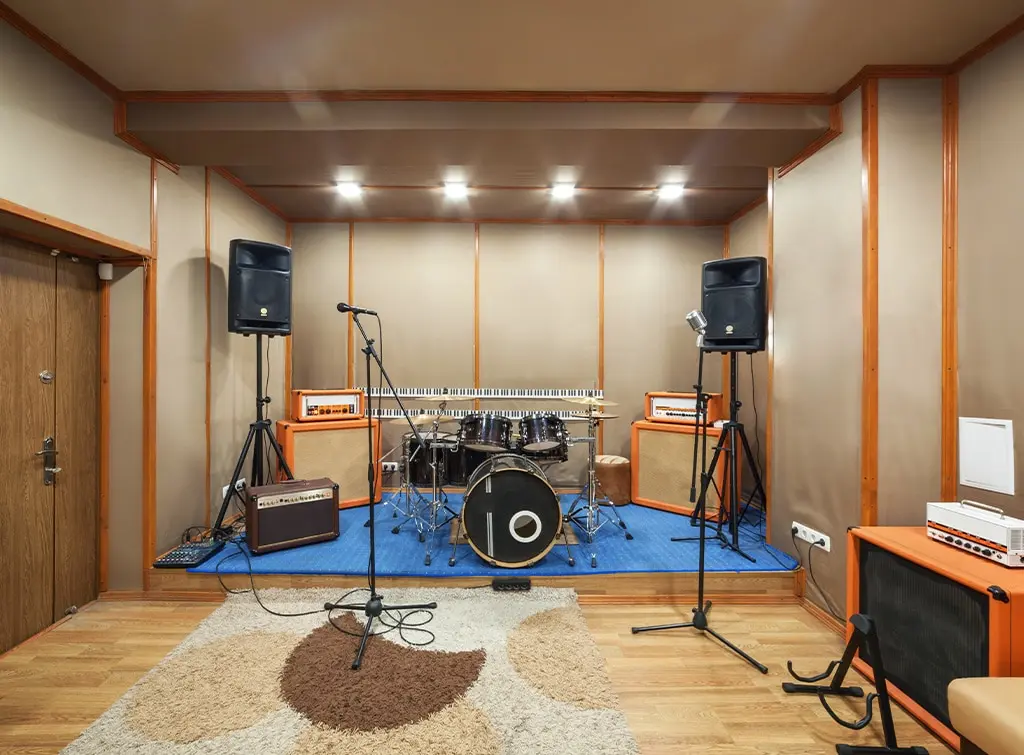
What affects garage conversion costs?
Garage conversion prices vary because every garage starts from a different place. Some of the factors that can affect your project cost include:
Type of garage: Integral and attached garages are usually cheaper to convert because they’re already connected to the house. Detached garages often cost more because services and access are more complicated
Size of garage: A double garage naturally costs more than a single garage, but the extra space can give you more design flexibility
Condition of the structure: If the garage walls, roof, foundations or floor are in poor condition, they’ll need to be brought up to standard before the space can be used as a room
Intended use: A home office, snug or playroom will usually cost less than a kitchen, bathroom, bedroom or utility room
Heating and insulation: Garages are not usually built to the same comfort standards as living spaces. Insulation, heating and damp proofing are often key parts of the job
Structural work: Opening the garage into the main house, removing walls or adding new openings can increase the cost
Location: Labour rates are often higher in London and the South East
If you opt to have a wall knocked down between the garage and current living space then this will be more expensive. Our guide on the costs to remove a load-bearing wall offers some useful advice on the prices and timeframes to do this.
Additional garage conversion costs to budget for
The main conversion price may not include every extra.
Depending on your plans, you may also need to budget for:
Building regulations approval
Party wall matters
Moving meter boxes
Upgraded electrics, heating and insulation
Plumbing and drainage
Flooring and decoration
Waste removal
Parking or access arrangements
Not every conversion will need all of these, but they’re worth discussing early.
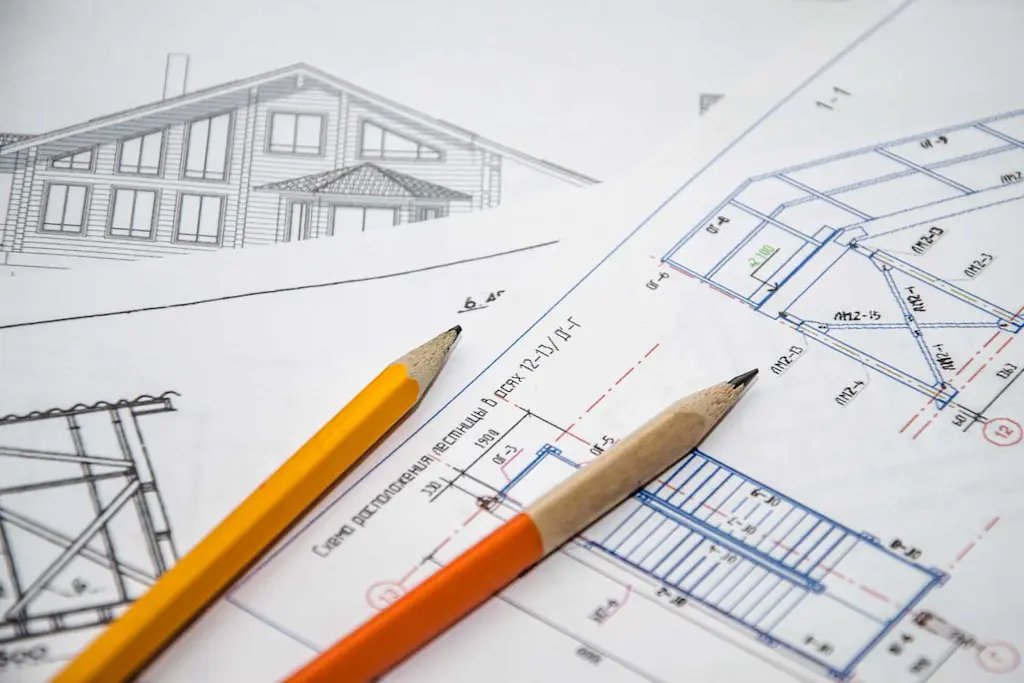
Architect drawings
Architect drawings for a garage conversion cost around £2,000.
They can help with layout, building regulations, contractor quotes and planning applications if your project needs one.
Structural engineer fees
If you’re building above the garage or making structural changes, you may need a structural engineer to size roof joists and foundations. Typical cost: £500–£1,000.
Garage conversion labour costs
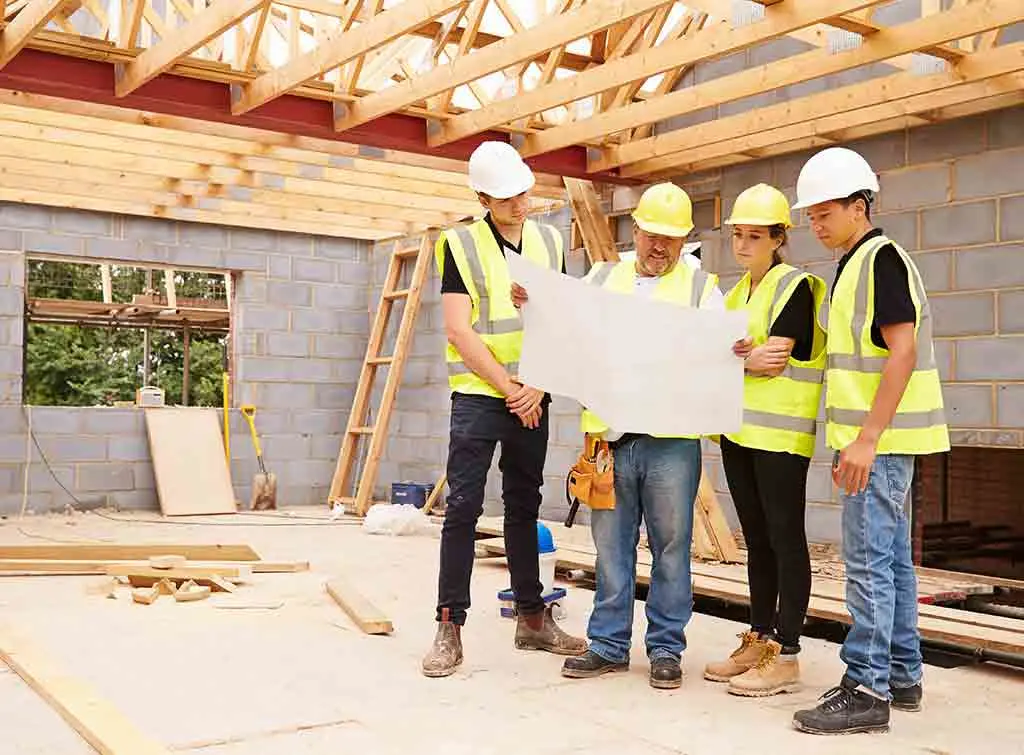
Several trades may be involved in a garage conversion, especially if you’re adding plumbing, electrics, windows, heating or fitted units.
Typical labour rates include:
Plumber: 1–2 days at £325–£375 per day
Kitchen fitter: 1 day at £250–£350 per day
Joiner: 1 day at £240–£360 per day
Electrician: 1 day at £250–£500 per day
Plasterer: 1–2 days at £300 per day
Painter and decorator: 1–2 days at £250–£400 per day
Bricklayer: 1–2 days at £240–£320 per day
Window fitter: 1 day at £25–£35 per hour
Rates are usually higher in London and the South East.

On Checkatrade, you'll only find trades who meet our high standards and pass up to 12 checks.
What should be included in a garage conversion quote?
A clear quote should help you understand exactly what you’re paying for.
Look for:
Structural work
Insulation
Damp proofing
Garage door removal
Windows and doors
Flooring
Electrics
Heating
Plumbing, if needed
Plastering and decorating
Waste removal
Building regulations support
VAT
Exclusions
Expected timescale
It might seem like a lot, but having clarity early on helps you know what to expect and avoid unwelcome surprises once work is underway.
If one quote is much cheaper than another, check whether it includes insulation, electrics, plastering, building regulations work and final decoration. These can make a big difference to the final cost.
What does a garage conversion involve?
Every garage conversion is slightly different, but most projects include a few common stages. Our garage conversion planning guide goes into more detail, but as a quick overview, here's what the process typically involves.
1. Checking the existing structure
The garage needs to be structurally sound before it can become a usable room.
Your contractor may check:
Walls
Roof
Floor slab
Damp
Ventilation
Access
2. Improving the floor
Garage floors are often lower than the floor level in the rest of the house.
The floor may need:
Screed
Final floor finish
3. Replacing the garage door
The garage door is usually removed and replaced with a wall and window. This helps the converted room look and feel more like part of the house.
4. Upgrading walls and insulation
Garage walls often need insulation to meet building regulations and make the room comfortable. This is especially important if the garage has single-skin external walls.
5. Adding heating, electrics and ventilation
Most garages only have basic lighting and sockets. Depending on the new room, you may need:
More sockets
Heating
Ventilation
Plumbing
Drainage
If you're converting an attached or integral garage, the internal door from the garage into the house (utility or kitchen) will be a 30-minute rated fire door.
How long will a garage conversion take?
A garage conversion usually takes around 2–4 weeks, depending on the garage type, condition and specification.
A simple integral garage conversion may be quicker. A detached garage, double garage or conversion with plumbing and structural work may take longer.
Garage conversion cost calculator
Use our garage conversion cost calculator to get a rough idea of what your project could cost before requesting quotes from local contractors.
You’ll need to think about whether your garage is integral, attached or detached, the size of the garage, purpose of the new room, whether plumbing or heating is needed, whether structural changes are required and the level of finish you want.
Job Estimate Calculator

This calculator provides a guide price only, not a quote. A local garage conversion specialist will be able to assess your project properly and provide a written quote based on your requirements. For a clearer idea of what you’ll actually pay, request quotes from a selection of checked local garage conversion companies who cover your area.
Find checked garage conversion specialists near you
Do you need planning permission for a garage conversion?
Planning permission is not usually needed for a garage conversion if the work is internal and doesn’t enlarge the building.
However, you may need planning permission if:
You’re converting a detached garage
The external appearance will change significantly
Your home is listed
Your property is in a conservation area
You live in a new housing development with restrictions
You’re creating a separate dwelling
Your permitted development rights have been removed
Building regulations approval is still needed because you’re turning the garage into a habitable room. Your local authority or an approved inspector can confirm what applies to your property.
Can you convert a garage yourself?
A DIY garage conversion can cost in the region of £4,500–£10,000, but most garage conversions are not suitable as full DIY projects.
That’s because the work can involve several skills that should only be carried out by a trained professional, including:
Installing insulation
Damp proofing
Electrics
Plumbing
Structural changes
Fire safety installations
Ventilation
Compliance with building regulations is also key.
You may be able to do some finishing work yourself, such as painting and decorating, but the main conversion is usually best handled by experienced contractors.


Garage conversion cost checklist
Is a garage conversion worth it?
A garage conversion can be a very practical way to gain extra room without moving house or building a full extension.
It can work especially well if your garage is underused, attached to the house, and already has a suitable structure.
For many people, the value is not just financial. It can mean finally having a proper home office, a downstairs bedroom, a playroom that doesn’t take over the living room, or a utility space that gets laundry out of the kitchen.
If parking is tight in your area, it’s worth thinking carefully before losing the garage. But where the garage is mainly used for storage, a well-planned conversion can make day-to-day life much easier.
When should you speak to a garage conversion company?
It’s worth speaking to a garage conversion company once you know how you’d like to use the space and what level of finish you’re aiming for.
A good contractor can assess the structure, explain what’s involved, flag any planning or building regulations requirements, and give you a realistic idea of cost.

Find garage conversion companies near you
Comparing quotes from local garage conversion specialists is the best way to understand what a fair price looks like for your project.
A reputable company should inspect the garage properly, explain your options clearly, and provide an itemised written quote before work begins.
Browse checked garage conversion companies covering your area
Enter your postcode to find a top tradesperson near you
Mehr house construction services Ltd
10.00
(5 reviews)Suggested Services
Garage ConversionsPrice on requestAbsolute World Ltd
10.00
(31 reviews)Services & skills
BuilderGarage ConversionsPeriod Property RestorationRefurbishmentsNew BuildsDJF Loft Conversions
10.00
(26 reviews)Services & skills
BuilderGarage ConversionsLoft ConversionsRefurbishmentsExtensions / Conversions- C
Christopher Michael Construction
10.00
(20 reviews)Services & skills
BuilderGarage ConversionsExtensions / ConversionsProject ManagementBrick / Concrete Structural Repairs Rodmans Building and Maintenance Ltd
10.00
(37 reviews)Services & skills
BuilderGarage ConversionsCar PortsStructural DesignWorkshop Design / ConstructionArka Developments
10.00
(1 review)Services & skills
BuilderGarage ConversionsFoundationsProject ManagementDemolition


FAQs
How much does it cost to convert a garage in the UK?
A garage conversion in the UK usually costs between £10,000–£20,000 for a 16m² integrated or attached garage. Detached garages, double garages and conversions with bathrooms or kitchens usually cost more.
What is the average garage conversion cost per m²?
Garage conversion costs usually work out at around £625–£1,250 per m².
How much does a double garage conversion cost?
A double garage conversion costs around £20,500 (integral) – £45,000 (detached), depending on whether the garage is integral, attached or detached.
How much does a detached garage conversion cost?
A detached garage conversion typically costs between £15,000–£25,000.
Do I need permission to convert my garage into a room?
Planning permission is not usually needed if the work is internal and doesn’t enlarge the building. However, building regulations approval is still needed because the garage is being converted into a habitable room.
What is the 10-year rule for a garage conversion?
The 10-year rule relates to planning enforcement. In simple terms, some unauthorised work or changes of use may become immune from planning enforcement after 10 years, but this is not a shortcut for avoiding approvals.
It also doesn’t replace building regulations approval. If you’re unsure whether an existing garage conversion is lawful, ask your local planning authority about a lawful development certificate.
Is it cheaper to convert a garage or build an extension?
It’s usually cheaper to convert a garage. Garage conversion costs are around £625–£1,250 per m², while house extensions average around £1,800–£3,000 per m².
What is the cheapest way to convert a garage?
The cheapest way is usually to keep the layout simple and avoid adding plumbing, drainage or major structural changes. A home office, snug or playroom will normally cost less than a kitchen or bathroom.
How long does a garage conversion take?
Most garage conversions take around 2–4 weeks, depending on the condition of the garage and the complexity of the work.
Does a garage conversion add value to a home?
A garage conversion can add value to a home, depending on the quality of the work, the use of the new room and local demand for parking. In some cases, a garage conversion could add up to 20% to the property value.
Can I use my garage conversion as a bedroom?
Yes, you can use a converted garage as a bedroom if it meets building regulations for a habitable room. If you’re creating separate accommodation, you may need planning permission or change of use approval.
Is a garage conversion suitable for a small garage?
Yes, a small garage conversion can still work well. Popular single garage conversion ideas include a home office, utility room, playroom, snug, hobby room or compact gym.
How can someone tell if their garage is suitable for conversion?
If your garage is made from block or brick and is structurally sound, it's likely to be suitable for conversion.
However, an architect or surveyor will be able to give you proper advice on the suitability of your garage, especially when it comes to the soundness of the foundations, walls, and roof.
Does a garage conversion devalue your house?
No, usually a garage conversion will add value to your home. In fact, it could add up to 20% depending on what type of garage you have, its intended use, the value of your property, and the quality of the finished space.
While removing a garage entirely can devalue your house in some circumstances, replacing your garage with additional living space is typically seen as a positive thing for most homebuyers.
What are the rules for converting a garage?
Generally speaking, you won't need planning permission for a garage conversion, as long as it falls within your permitted development rights.
That said, you will need to adhere to building regulations and get a completion certificate for the work.
More Garage Conversions Articles
See the tradespeople we've checked for your job